

Beyond the hype: Realizing value in disruption
We live in a world where disruption is constant. Geopolitical tensions reshape supply chains and market access. Workforce constraints persist as demographics shift and skill requirements evolve. Cybersecurity threats multiply. And technological change—led by artificial intelligence—accelerates at an unprecedented pace.
Download the reportThe 2026 AlixPartners Disruption Index—our seventh annual—based on responses from over 3,200 senior executives across 11 countries and 10 industries, reveals a complex picture of moderating disruption across most industries and geographies, alongside emerging pockets of confidence and capability. The Disruption Index score is a number derived by analyzing the number and severity of disruptive forces. It is a function of how many forces executives say are disrupting their business, combined with how powerful they say those forces are.
The 2026 AlixPartners Disruption Index confirms what has been observed since this study began seven years ago: disruption truly is the new economic driver.
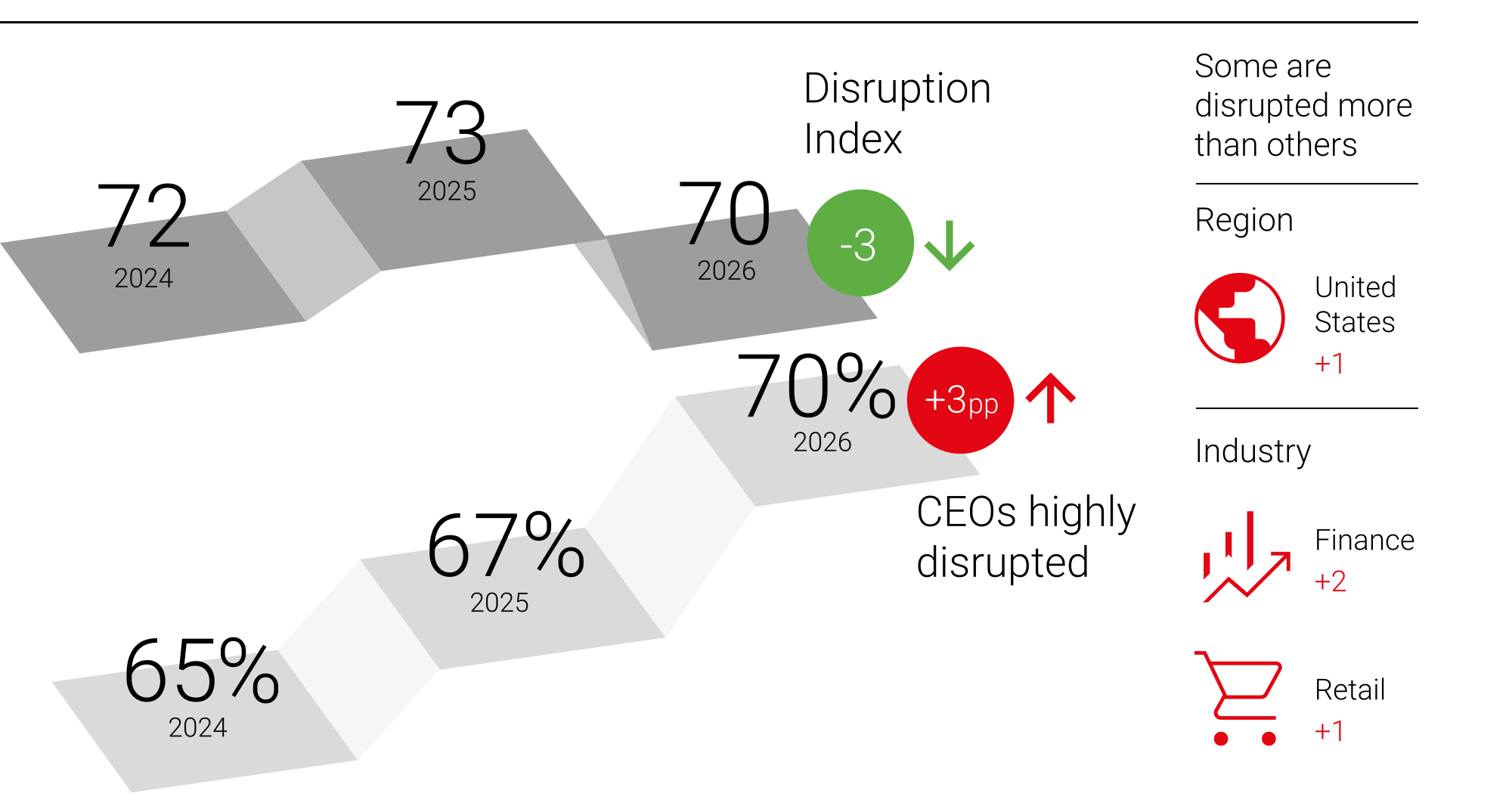
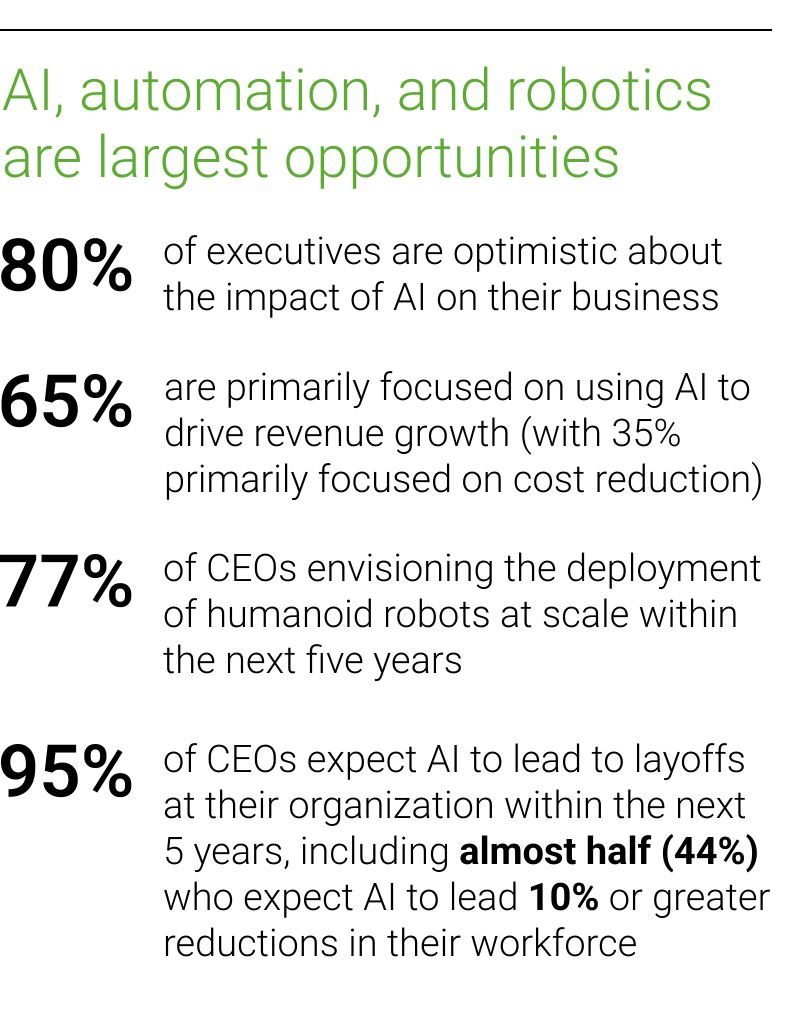
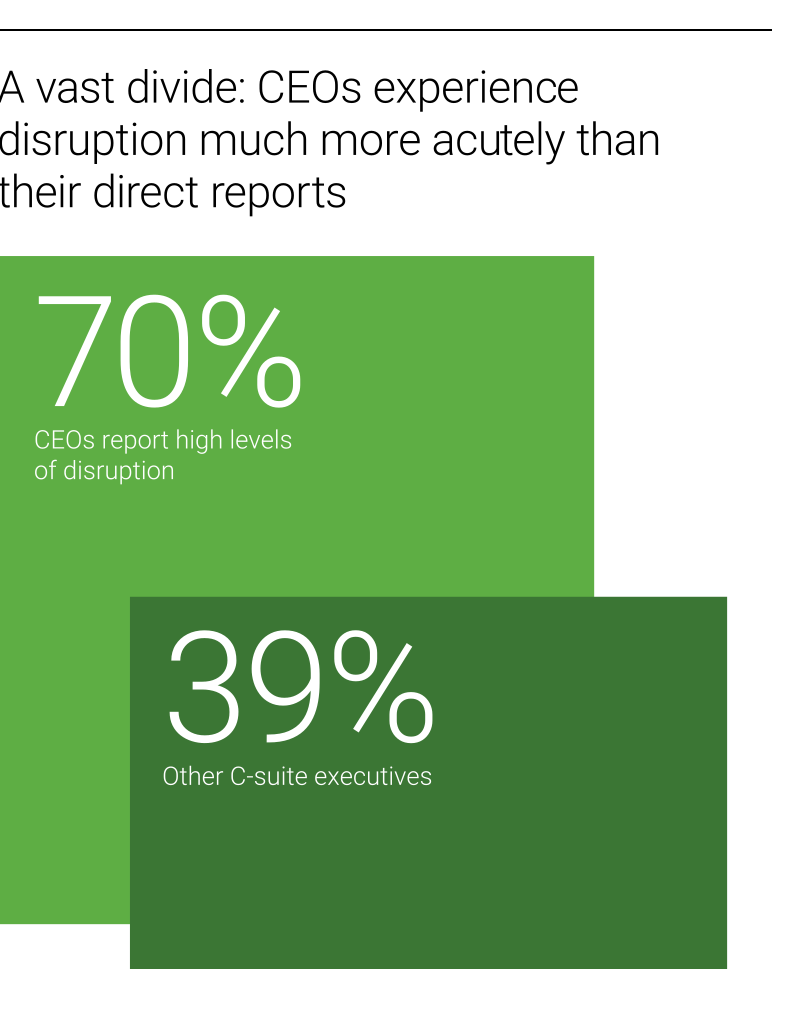
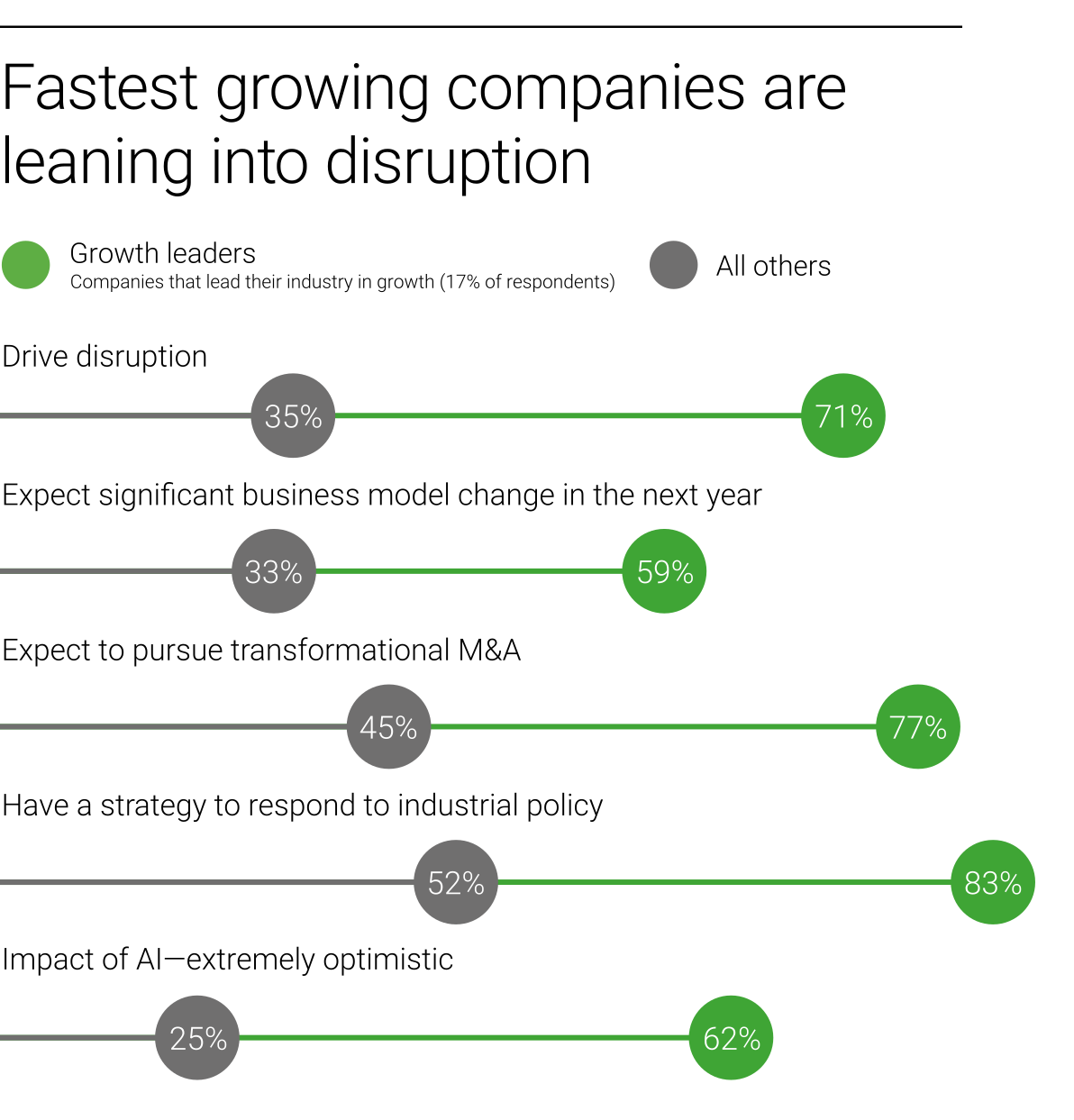
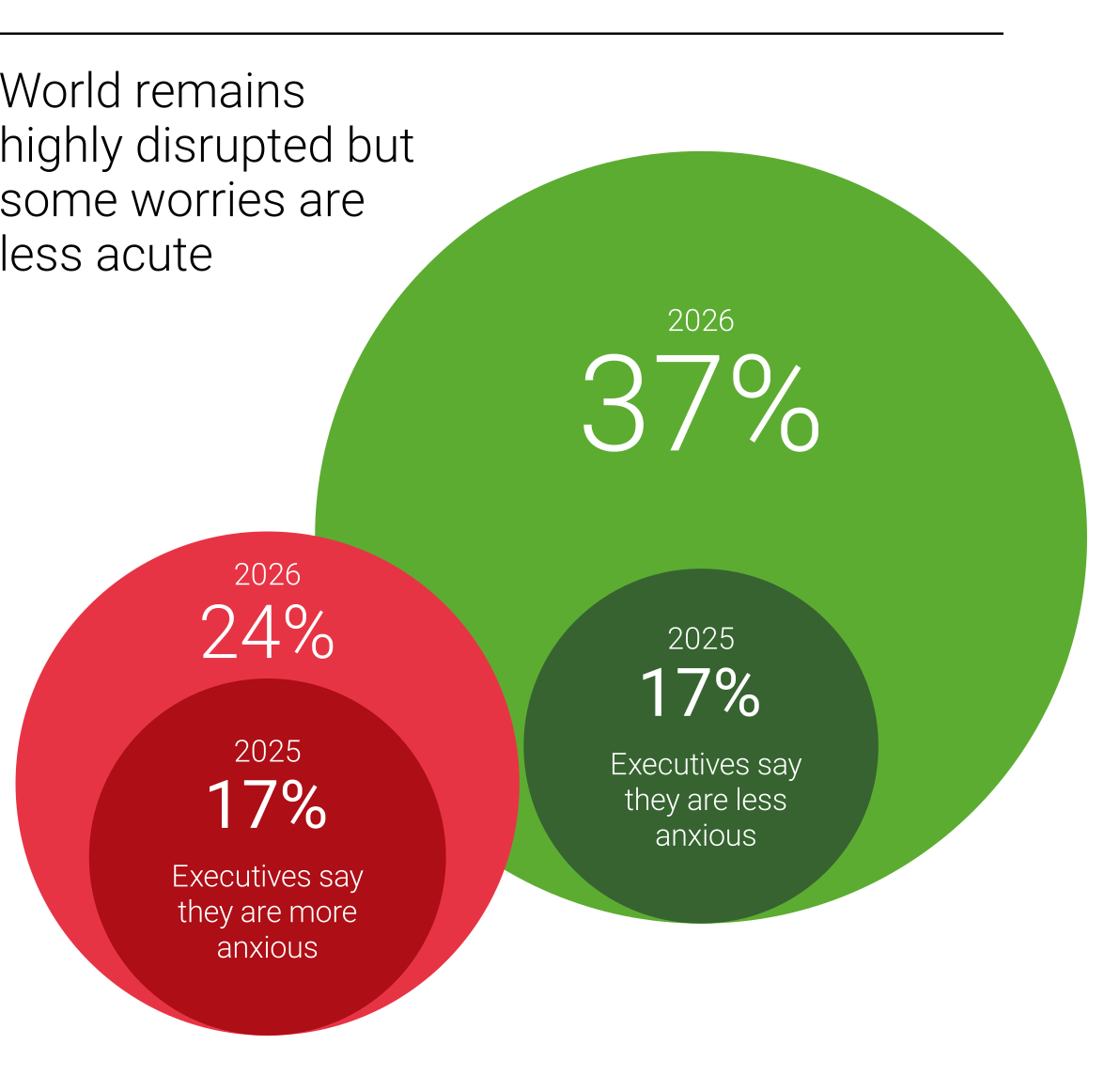
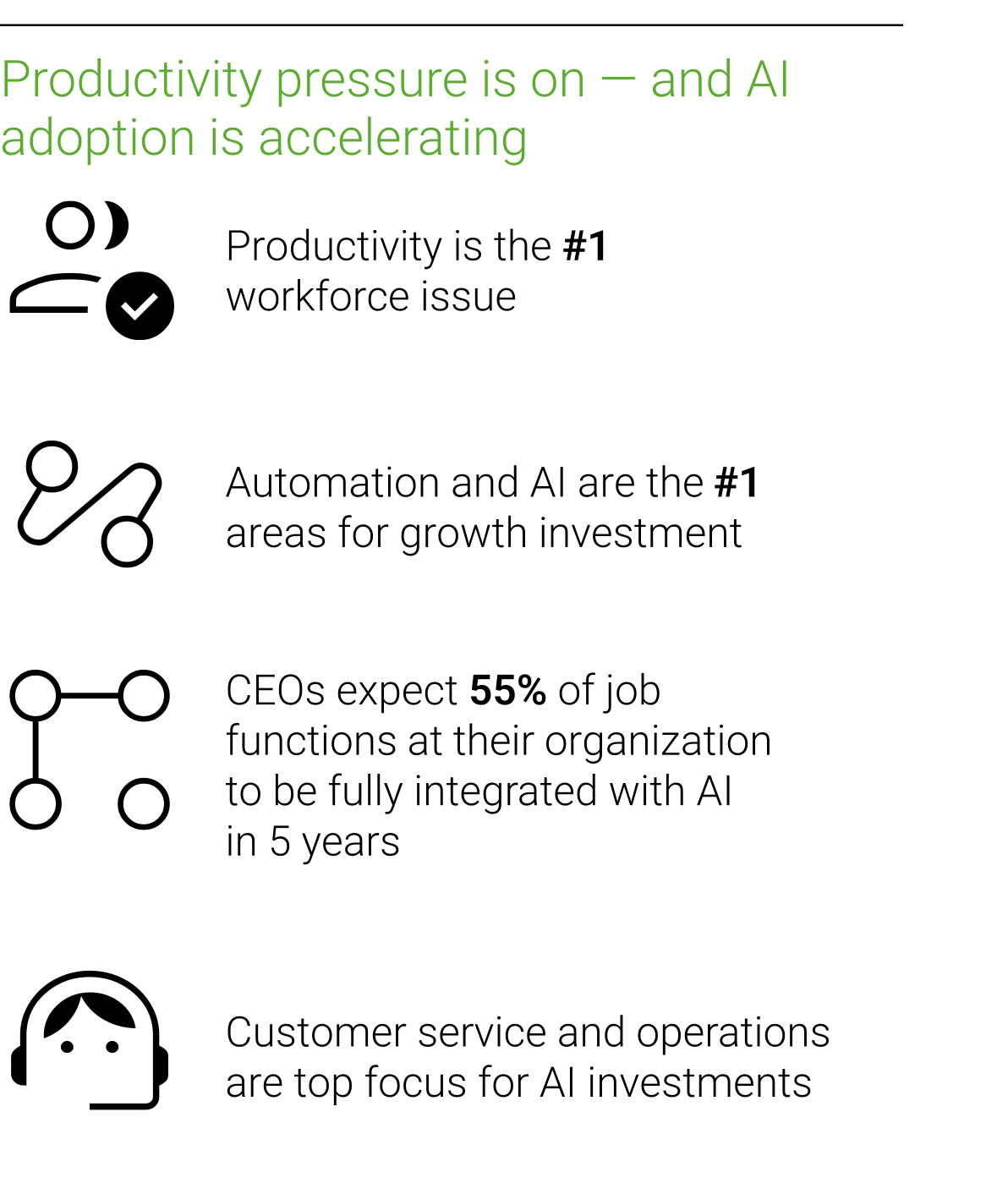
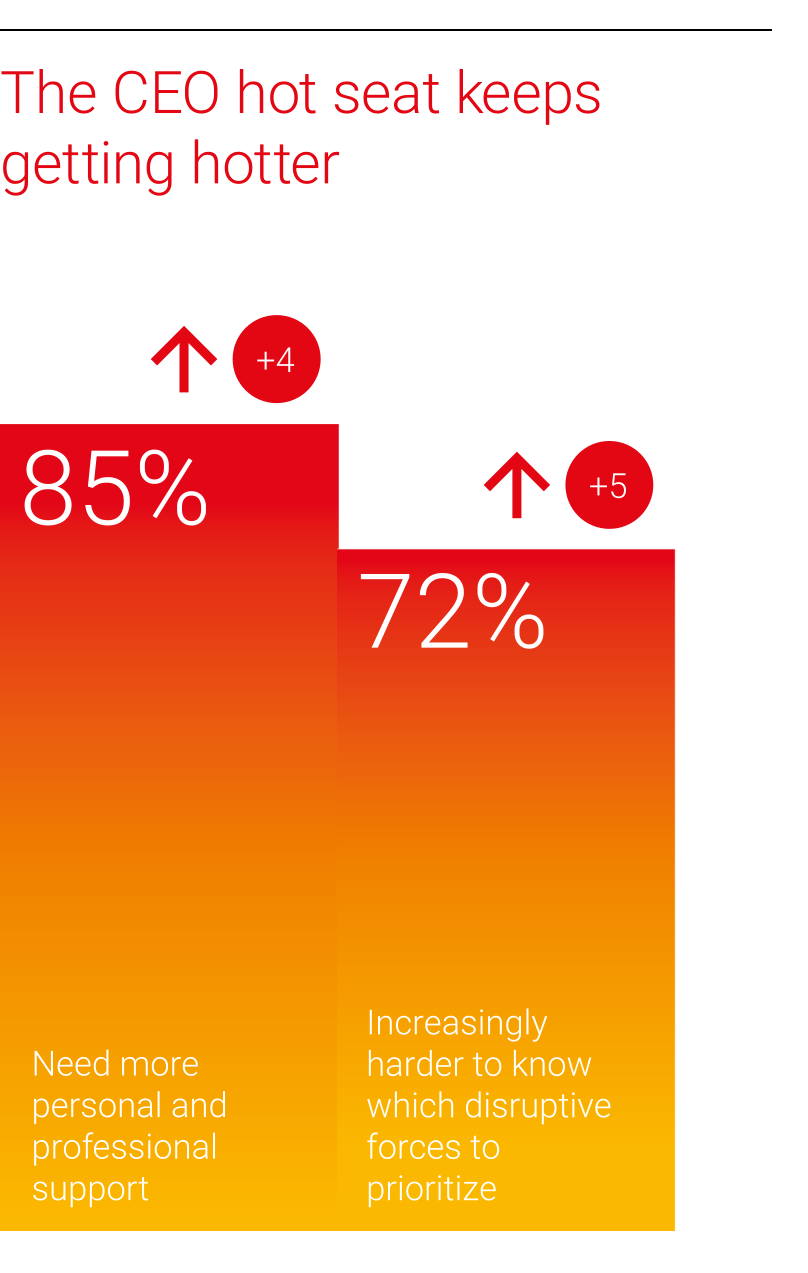
Nearly half of executives report their businesses were highly disrupted over the past year, and a score of 70 underscores a still‑intense environment even as some pressures moderate year over year. Executives report less worry over regulation, supply chains, and the labor market, yet energy prices, inflation, tariffs, geopolitics, and cybersecurity remain relentless sources of pressure. AI has become the great divider: 80% of executives are optimistic, and the fastest‑growing companies are using AI, business‑model change, and geopolitical repositioning to convert disruption into advantage, even as anxiety rises most among these leaders. CEOs remain in the hot seat, feeling more disrupted, less prepared, and under greater personal pressure than the rest of the C‑suite.

Women leaders in an AI era: Navigating opportunity and change
How are 3,200 C-level and senior business executives around the world navigating disruption, and how might this differ between women and men leaders? For the third consecutive year, we’ve examined the global findings of AlixPartners' annual Disruption Index through the lens of gender – enabling us to answer that question.
Launched at the FT Live Women in Business Summit, with a foreword by Vivienne Artz, CEO, FTSE Women Leaders Review and AlixPartners Senior Advisor, we share our findings in this report.



Our findings in brief