
David Hindman
Partner & Managing Director - Houston


For utilities, cyber risk is no longer just a technical issue: it is an operational and financial risk directly threatening reliability, regulatory confidence, and customer trust
The utility sector’s transformation toward distributed energy resources, digital grid operations, advanced metering, and real-time data analytics has introduced a new class of strategic vulnerabilities. These risks increasingly influence the C-suite’s agenda, threatening to compromise the fundamental commitments utilities make every day: safe and reliable service; prudent capital investment; and regulatory compliance.
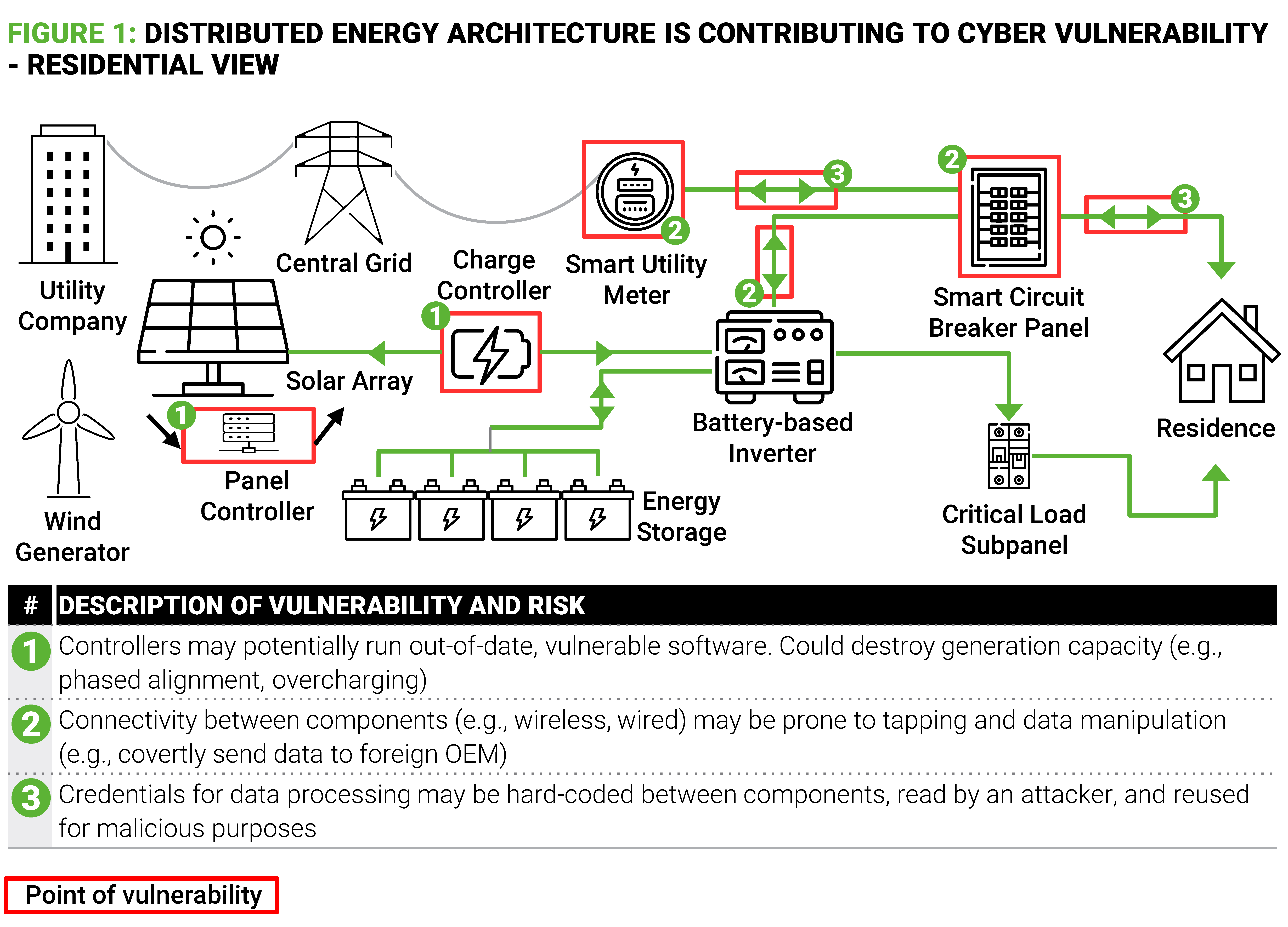
As distributed generation, DERs, EV infrastructure, and field-level IoT devices proliferate, more third-party equipment and systems are connected to the grid. Many of these operate outside traditional perimeter defenses. This expansion exposes legacy systems and future capital programs to new cyber pathways. To mitigate threats associated with this development, utilities must ensure they are building on architectures that are not only digital but also secure.
Operational technology is essential to reliability, providing process control and real-time data. At the same time, OT introduces unique cybersecurity risks. Supervisory Control and Data Acquisition (SCADA) systems, for instance, require strict separation of operational technology (OT) and information technology (IT) networks without impeding functionality. The seamless, uninterrupted flow of data is as vital as the seamless movement of water or power.
Vendors have long gathered data from equipment integrated into systems, but these information exchanges now require heightened monitoring and stricter protocols, especially as global political tensions strain the bonds of trust with foreign suppliers. The SolarWinds attack, for example, illustrated how unknown coding origins can create widespread vulnerabilities. Customer data privacy, along with system integrity and reliability, requires organizations to apply rigorous, risk-based oversight of third parties.
Recent events have shown how regulators, investors, and the public are scrutinizing cyber readiness as closely as storm preparedness or capital deployment. Demonstrating resilience is now essential for maintaining trust, securing favorable rate cases, and defending strategic plans.
Cybersecurity cannot remain an IT program. Nor can it be tackled solely through additional controls or incremental budgets. CEOs must drive a business-wide approach that ensures:
This shift requires leadership alignment, cross-functional governance, and rapid, pragmatic improvements.
AlixPartners brings a unique combination of cyber expertise, operational understanding, and crisis leadership. Our teams are comprised of experts who previously worked for decades as CISOs, FBI cyber leaders, utility operations specialists, and executives in regulated industries.
We partner directly with CEOs and leadership teams to:
1. Rapidly assess enterprise cyber exposure
We identify vulnerabilities across OT, IT, and vendor ecosystems, prioritizing risks with true operational and regulatory impact.
2. Strengthen operational resilience
From SCADA environments to DER integration, AlixPartners helps utilities embed secure governance, modernize architecture, and reduce systemic risk.
3. Improve incident preparedness and executive readiness
We pressure test leadership playbooks, accelerate response capability, and ensure alignment with regulatory requirements and board expectations.
4. Enhance data governance and protection
We map critical data flows, identify where controls must be tightened, and help build safeguards that match business needs without slowing operations.
5. Establish risk-based vendor assurance
We design and implement practical oversight models to manage cyber exposure across global suppliers, software partners, and third‑party service providers.
6. Support regulatory confidence and reporting
We help craft defensible compliance strategies, prepare for audits, and demonstrate proactive risk management to regulators and stakeholders.
Cyber resilience is now a strategic imperative for utilities. The leaders who act decisively, strengthening governance, securing modernization programs, and preparing their organizations for high-impact events, will be better positioned to protect customers, maintain regulatory trust, and accelerate transformation.
AlixPartners stands ready to help you lead that effort with speed, clarity, and measurable results.