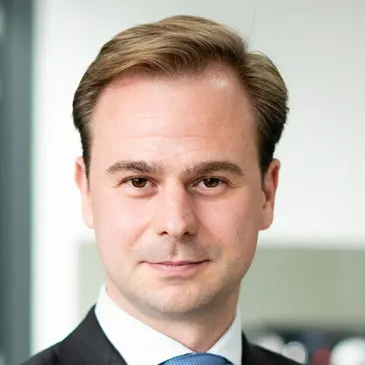
Sean O'Flynn
EMEA Co-Leader of Private Equity | EMEA Lead M&A & Transaction Advisory, Partner & Managing Director
London
Sean O'Flynn
Partner & Managing Director - London


Transport M&A activity contracted in Q2 2026, with deal volume falling more than 35 percent quarter-on-quarter. Capital concentrated in fewer, larger transactions, with regulated and quasi-regulated infrastructure the most stable sub-sector.
The broader M&A recovery stalled against an uncertain freight market defined by structural overcapacity yet elevated pricing from transient supply shocks – a combination that made it difficult for investors to underwrite to a stable earnings run-rate. This pushed buyers toward stable, inflation-linked assets and away from cyclical exposure. Strategics continued to lead consolidation plays, while financial sponsors showed renewed appetite on the back of high undeployed capital and stabilising interest rates.
The main themes emerging from Q2 2026 transport M&A include:
Looking ahead, the Q2 2026 Transport M&A Report underscores that near-term recovery will remain supply-shock driven rather than demand-fuelled. Buyers should underwrite normalised mid-cycle EBITDA run-rates rather than capitalise inflated current toplines. The rate-cut pause and elevated oil prices are entrenching a higher-for-longer cost-of-capital mindset, making margin discipline and pricing power the true differentiators in M&A. Geopolitical volatility from the Hormuz and Red Sea disruption to trade-policy uncertainty has shifted from tail risk to core underwriting scenario across valuations. Read the full report below, or download it here.